

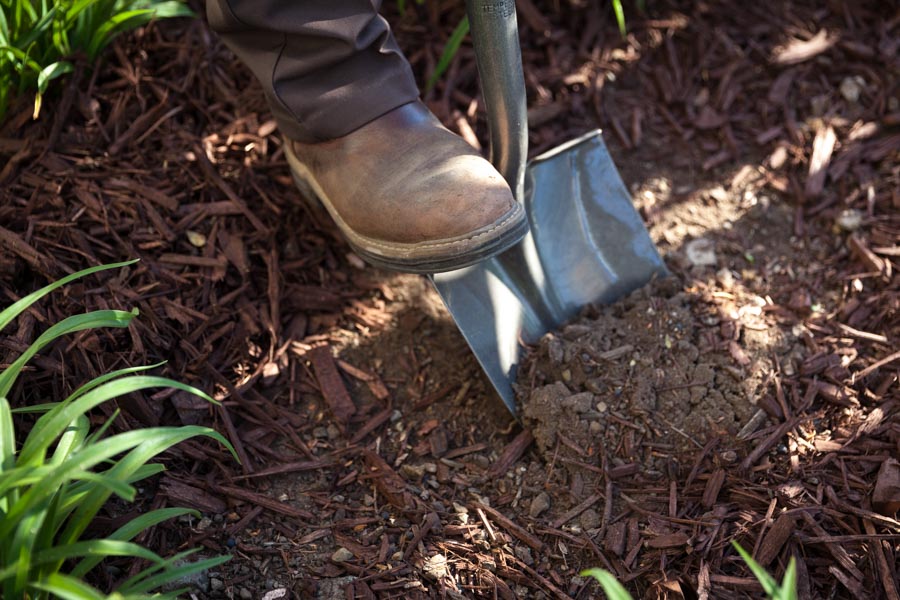
Commercial Landscape Conversions in the Bay Area
Turn weedy, bare, overgrown and underperforming areas into healthy landscapes that are easier to care for. We do more than replace what is above ground: we rebuild the soil underneath, so the new planting has what it needs to thrive.
What We Convert
Problem Areas You Probably Recognize
A successful conversion starts by understanding why an area is underperforming, not just by removing what is growing there.
Weed-Overrun Beds
Persistent weeds, volunteer growth and failing ground cover, replaced with a planting plan that holds its ground.
Bare or Degraded Soil
Exposed, compacted or eroding ground where plants keep failing, rebuilt and covered so it stops washing away.
Underperforming Turf
Lawn nobody uses, or that AB 1572 will soon ban from potable water, converted to water-wise planting.
Overgrown and Neglected Areas
Tangled growth and declining shrubs cleared, with healthy plants kept and the planting structure restored.
Littered and Debris-Filled Strips
Property edges and neglected corners cleared of ordinary debris and given a defined, cared-for landscape.
Hard-to-Maintain Areas
Slopes, recurring weed zones and beds that need constant corrective work, redesigned around access, drainage and upkeep.
Our Conversion Approach
Rebuild the Growing Environment
Soil preparation, weed control, organic materials, the right plants and irrigation, planned together. A conversion is not finished when the crew leaves; it is finished when the landscape is established.
Assess the Site
Weeds, soil, compaction, drainage, irrigation, slope and how the area is used. Suspected contamination is tested before anything is disturbed.
Clear It Out
Weeds, unsuitable plants and debris removed to the approved scope, with green waste recycled. Persistent perennial weeds get extra control before planting.
Improve the Soil
Compost or other amendments where the soil and planting call for it, at the right rate, and never by default in bioswales or stormwater areas.
Sheet Mulch and Cover
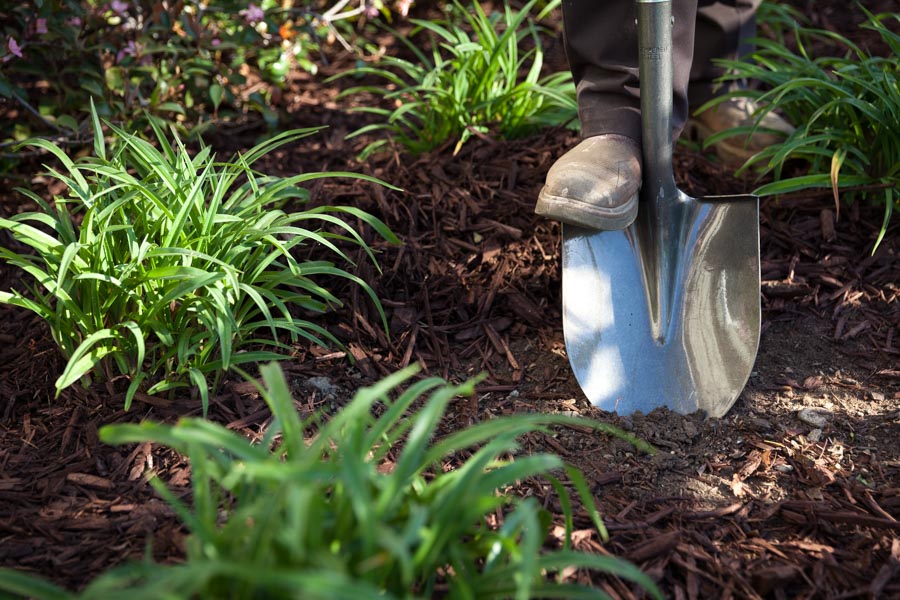
Where it suits the site, cardboard and an organic mulch layer suppress weeds, cover bare soil and hold moisture.
Plant for the Site
Drought-tolerant shrubs, grasses, native plants, ground covers and suitable nitrogen-fixing species, chosen for sun, soil, size and upkeep.
Water and Establish
Drip conversion or controller changes, an establishment watering plan, and follow-up on weeds and irrigation as the planting grows in.
How the System Works
Each Layer Has a Job
Compost, cardboard, mulch and plants do different things. Used together, they rebuild a growing environment that keeps improving.
Soil Restoration
Healthy Soil Supports Healthy Landscapes
Soil is more than a surface for planting. It controls how roots grow, how water soaks in and how well plants hold up. Restoring it is a process, and results depend on the site and the care that follows.
Better Soil Structure
Organic matter and healthy roots help soil form crumbs that hold air and water.
Water That Soaks In
Covered, open soil lets more water in and sends less running off, depending on texture and slope.
Fewer Weeds
Sheet mulch, mulch and full ground cover leave weeds less room, with follow-up care.
Natural Nutrient Cycling
Decomposing organic matter releases nutrients to plants as soil organisms break it down.
Carbon in the Ground
Plants pull carbon from the air, and some of it is stored in the soil through roots and organic matter.
Fewer Inputs Over Time
A conversion that establishes well needs less weed control, pruning and replacement planting.
Nitrogen-Fixing Plants and Living Ground Cover
Plants That Help Build the Landscape
With the right soil microbes, nitrogen-fixing plants such as ceanothus, native lupine and clover take nitrogen from the air and add it to the landscape's nutrient cycle. Other plants contribute roots, cover, organic matter, erosion control and habitat. We combine them so the soil stays covered year-round.
- Suitable nitrogen-fixing shrubs and ground covers
- Climate-appropriate native and drought-tolerant plants
- Deep-rooted species where the soil allows
- Plant combinations that keep soil continuously covered
Every species is checked for regional fit, invasive potential, mature size, water needs, fire safety and upkeep. They are chosen for overall suitability, not as a guaranteed fertilizer replacement.
Match the Method to the Problem
The Right Treatment for Each Site
We assess the problem before choosing the treatment. These are the most common starting points.
| Site Condition | Conversion Approach | Goal |
|---|---|---|
| Weed-dominated beds | Targeted weed control, sheet mulch where suitable, planting and follow-up care | A bed that stays maintainable |
| Bare or exposed soil | Soil preparation, erosion protection, ground cover and planting | Protected, planted soil |
| Unneeded or failing turf | Turf removal or sheet mulching, soil check, planting and irrigation changes | A landscape that fits the site and AB 1572 |
| Compacted soil | Check compaction and drainage before choosing a fix | Better growing conditions |
| Overgrown areas | Selective removal, keeping suitable plants, and replanting | Restored structure and easier upkeep |
| Littered or debris-filled strips | Ordinary debris removed, site prepared and planted | A usable, defined landscape |
| Recurring erosion | Slope, runoff and drainage assessed before planting or erosion control; hydroseeding for large areas | A stable slope |
| Large, phased properties | Areas prioritized and scheduled around operations | Controlled disruption and budget |
Timing
How Long Until the Area Is Back in Use?
Every proposal spells out three separate milestones, adjusted for weather, access and irrigation. An area often reopens well before its plants are fully established.
Work Time
How long our crew is on site completing the conversion.
Reopening
When the area is safe to walk past and use again.
Establishment
When the planting has rooted in and needs only routine care.
| Conversion Type | Typical Work | Return to Use |
|---|---|---|
| Weed-dominated bed | Weed control, sheet mulch where suitable, planting and mulch | To confirm |
| Turf-to-landscape conversion | Turf removal, soil preparation, planting and irrigation changes | To confirm |
| Soil restoration and ground cover | Site preparation, amendments, ground cover and planting | To confirm |
| Overgrown area renovation | Selective removal, bed restoration, planting and cleanup | To confirm |
| Large-area conversion | Phased preparation, planting and establishment | To confirm |
The Business Case
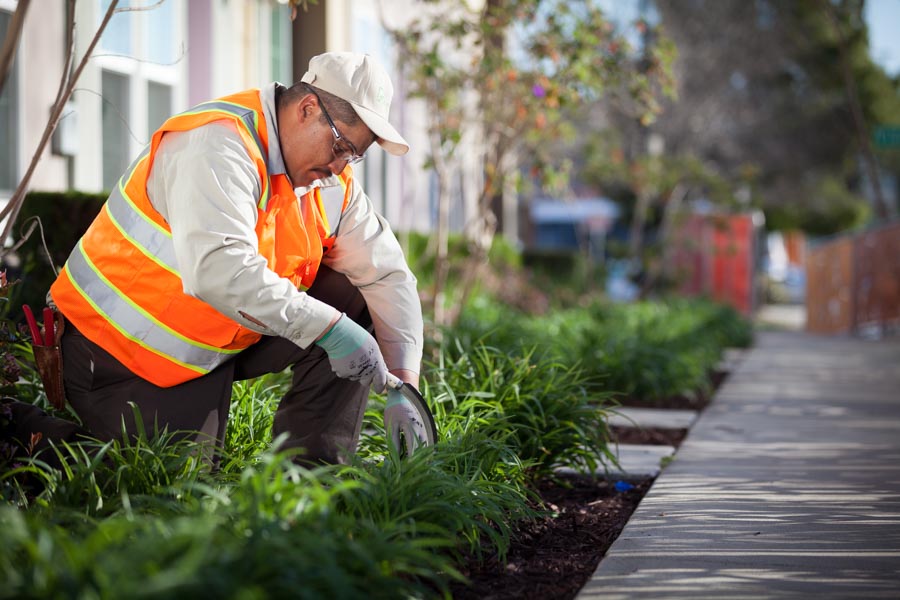
Turn a Liability Into a Landscape Asset
- Less recurring weed control. A planned conversion stops paying for the same weeds every season.
- Easier upkeep. Suitable plants, spacing and ground cover cut corrective work.
- Lower water demand. Replacing unsuitable turf and inefficient spray with the right planting and drip.
- No more repeat replacements. Fixing why plants fail before buying new ones.
- Usable space again. Neglected strips and corners brought up to the standard of the rest of the property.
We do not promise a set percentage of savings. Your assessment compares what the area costs you now with the proposed work.
Our Standards
Guided by the Organizations That Set the Bar
Our conversions follow ReScape California principles, QWEL water-efficiency practices and the professional standards of NALP and CLCA, carried out under three California C-27 landscape contractor licenses.




Questions
Landscape Conversions FAQ
Do You Use Herbicides to Clear Sites?
We start with mechanical removal and sheet mulching. Some persistent perennial weeds need extra control before planting, and targeted treatment is used only when conditions require it, applied under a Qualified Applicator License.
What Is Sheet Mulching?
Cardboard or another approved material is laid over cut weeds or turf and covered with organic mulch. It blocks light so most weeds cannot regrow, protects the soil and breaks down over time. It is a weed barrier and a source of organic matter, not a fertilizer.
What Do Nitrogen-Fixing Plants Do?
With the right soil microbes, plants such as ceanothus, native lupine and clover take nitrogen from the air and add it to the landscape's nutrient cycle. The amount varies by species and site, so we choose them for overall fit, not as a fertilizer replacement.
Can You Convert Our Lawn for AB 1572?
Yes. We remove or sheet mulch nonfunctional turf, prepare the soil, plant water-wise landscaping and convert the irrigation, and we can help you look for rebates.
What If a Site Has Hazardous Debris or Contaminated Soil?
We remove ordinary litter and green waste. Hazardous waste, contaminated soil or unidentified materials must be assessed and handled by qualified specialists before landscape work begins, and we will tell you if we see signs of it.
What Is Hydroseeding?
A mix of seed, mulch and water sprayed onto the ground. It covers large or sloped areas quickly and helps hold soil in place while plants establish.
Can You Maintain the Area Afterward?
Yes. Most conversions move into a maintenance program so new planting establishes, weeds stay down and irrigation is adjusted as the landscape grows.
Free Site Assessment
Turn Neglected Areas Into Long-Term Landscape Assets
Don't just remove the weeds. We address the conditions that let the problem grow, restore the soil and establish a landscape that performs better over time. Every project also supports Rubicon Programs, our parent company, and its East Bay workforce development mission.